Rosacea & Sensitivity: Professional Solutions for Calm Skin
Managing Rosacea and Sensitive Skin: A Comprehensive Guide
Rosacea and sensitive skin can be challenging to manage, impacting your confidence and quality of life. Understanding the causes, triggers, and treatment options available is crucial for effective self-care and management. This blog post will explore what causes rosacea, common triggers, the reasons behind increased skin sensitivity, non-invasive treatment options, skincare recommendations, and when it might be time to see a professional.
What Causes Rosacea?
Rosacea is a chronic inflammatory skin condition characterized by facial redness, flushing, visible blood vessels, and sometimes, acne-like breakouts. While the exact cause of rosacea is not fully understood, several factors appear to contribute to its onset:
- Genetics: A family history of rosacea increases your likelihood of developing the condition.
- Immune System Responses: People with rosacea may have an overactive immune response, leading to inflammation.
- Environmental Factors: UV exposure, harsh weather, and pollutants can exacerbate rosacea symptoms.
- Microbial Influence: Certain skin bacteria, particularly Demodex mites, have been linked to rosacea.
Common Triggers of Rosacea
Managing rosacea involves identifying and avoiding triggers that can exacerbate symptoms. Common triggers include:
- Heat: Hot weather, hot baths, and cooking can cause flushing.
- Spicy Foods: Spices like chili peppers or hot sauces can trigger flare-ups.
- Alcohol: Many people with rosacea experience redness after consuming alcohol.
- Stress: Emotional stress can lead to increased flushing and inflammation.
- Skincare Products: Harsh ingredients or fragrances can irritate sensitive skin.
Why Sensitivity Increases
Individuals with rosacea often experience increased skin sensitivity, making it imperative to adopt a gentle skincare routine. Sensitivity may increase due to:
- Inflamed Skin Barrier: The barrier function of sensitive skin can be compromised, making it more susceptible to irritants.
- Overactive Nerve Endings: In rosacea-prone skin, nerve endings can be more reactive, leading to discomfort and a heightened sensitivity to stimuli.
- Environmental Factors: Changes in temperature, humidity, and air pollution can further irritate sensitive skin.
Non-Invasive Treatment Options
While there is no cure for rosacea, several non-invasive treatment options can help manage symptoms effectively:
- Gentle Laser Treatments: Laser therapy, such as pulsed dye laser (PDL) or intense pulsed light (IPL), can reduce redness and visible blood vessels with minimal downtime.
- Topical Treatments: Prescription creams containing azelaic acid or metronidazole can help reduce inflammation and redness.
- Oral Medications: In some cases, dermatologists may prescribe oral antibiotics like doxycycline to reduce inflammation.
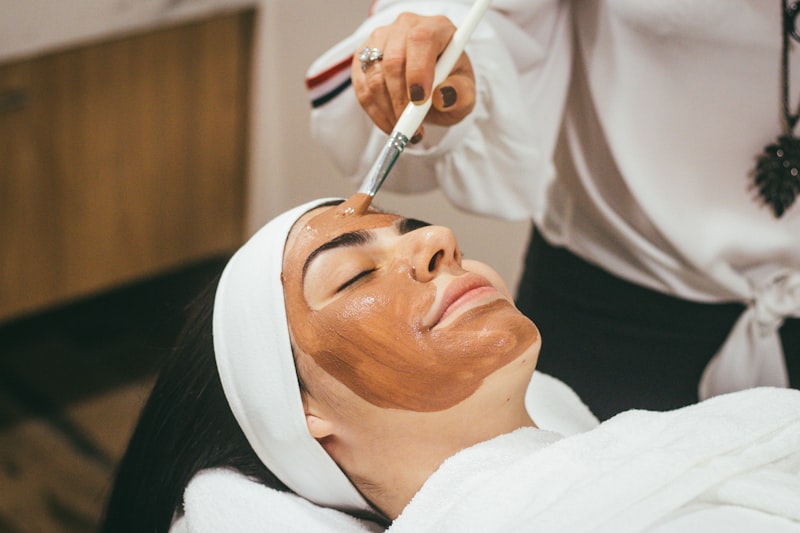
- Skincare Procedures: Non-invasive procedures like chemical peels and microdermabrasion can help improve skin texture and reduce sensitivity.
Skincare Recommendations
Creating a skincare routine for rosacea and sensitive skin should focus on soothing, hydrating, and gentle products. Here are some recommendations:
- Cleanser: Use a mild, non-foaming cleanser to avoid stripping the skin. Look for products labelled “fragrance-free” and “hypoallergenic.”
- Moisturizer: Choose a rich, hydrating moisturizer containing soothing ingredients such as ceramides, hyaluronic acid, or aloe vera.
- Sunscreen: Protect your skin with a broad-spectrum sunscreen (SPF 30 or higher) that is specifically formulated for sensitive skin.
- Avoid Exfoliants: Skip physical exfoliants and harsh chemical exfoliants, which can irritate the skin further.
- Makeup: If you wear makeup, opt for mineral-based foundations that are free from irritants.
When to See a Professional
If you suspect you have rosacea or your symptoms are worsening despite home management, it may be time to see a dermatologist. Indications that you should seek professional help include:
- Persistent redness or flushing that doesn’t improve.
- Development of new symptoms such as bumps, pimples, or visible blood vessels.
- Severe burning or stinging sensations in the skin.
- Difficulty finding products that don’t irritate your skin.
Conclusion
Managing rosacea and sensitive skin requires patience and a comprehensive understanding of your unique triggers and needs. By identifying factors that exacerbate your symptoms, leveraging non-invasive treatments, and maintaining a gentle skincare routine, you can soothe your skin and enhance your quality of life. Remember, seeking professional guidance can be invaluable in developing a tailored treatment plan, so don’t hesitate to reach out to a dermatologist if needed. Your skin deserves the best care, and with the right strategies, you can achieve a more comfortable and confident complexion.

By
Tamra Condie
MSN, APRN, FNP-C — Founder & Provider
Tamra Condie is the vibrant founder and inspiring force behind Renew You Health and Medical Spa. As a certified nurse practitioner fueled by a love for aesthetics and wellness, she brings a rare blend of clinical skill and creative passion to every client she serves.